
Great Reads for May
Summer is almost here, although it doesn’t feel like it. May has been a bust in Brooklyn, with chilly days and nights and plenty of wind, and the first days of June don’t look much better. I suppose at this point, we’re all supposed to accept mediocrity in everything, including our politics and, increasingly, thanks to AI, our art. It feels like this half-decade has been a smear of margarine on too much dry toast. Maybe the next one will be better.
Most recently, I’ve been working on TripSitter, a psychedelic support site for folks who are looking for local counselors and facilitators in their area. Right now, the site is pretty bare bones, but if you’re interested in psychedelics at all, I’d love for you to at least make an account so I can convince practitioners to sign up. This has been something I’ve been thinking about for a while, and I hope you find it helpful.

And now, on to the books.
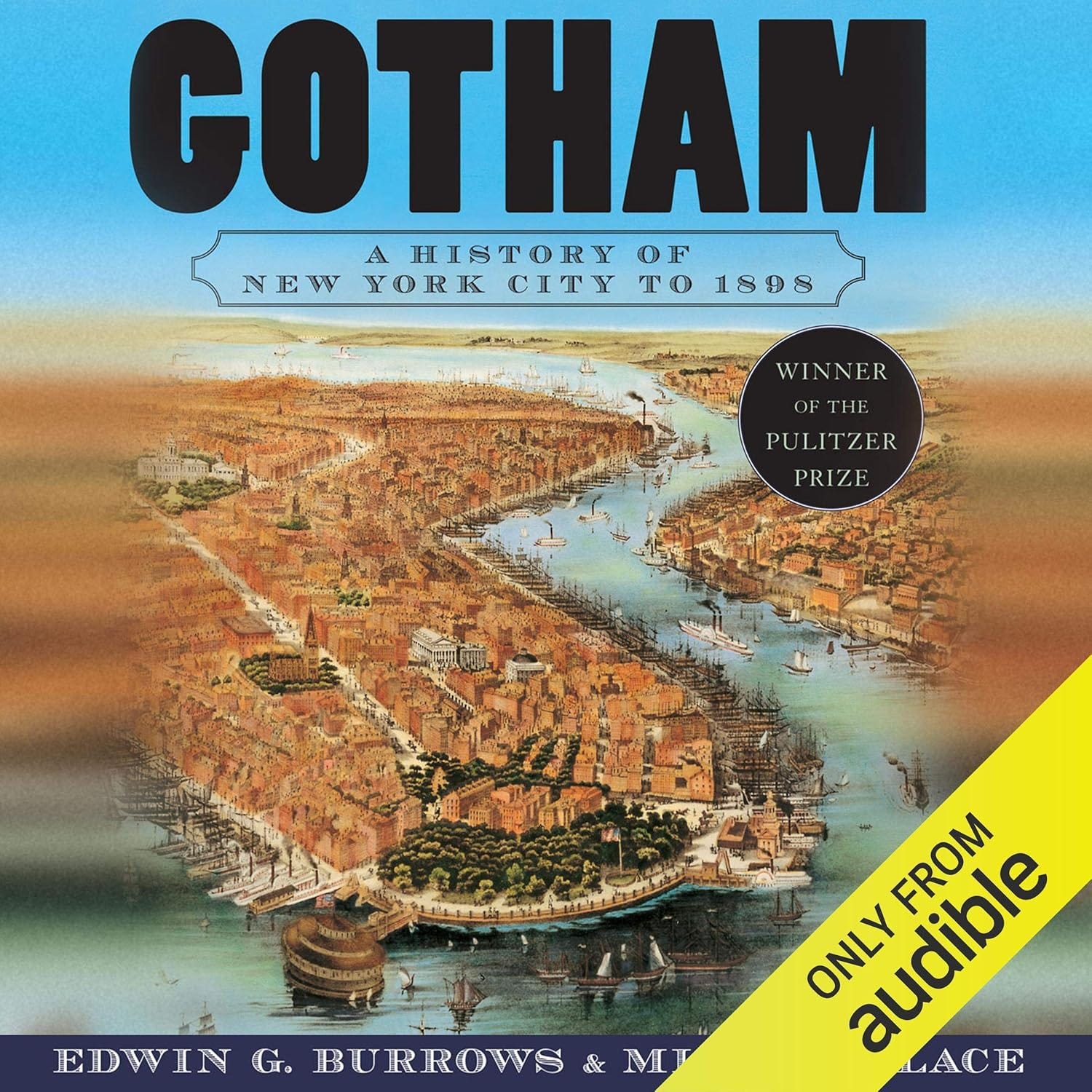
Gotham: A History of New York to 1898
Edwin G. Burrows and Mike Wallace
This one took a while. It’s a dense, dense book about New York from its first days until the late 1800s. It’s lovely to read how Manhattan turned from an oyster midden into a fortress into a city and it’s fun to discover little things like how the city was laid out over old towns born in the 1600s and where the remnants of old hunting paths turned into Broadway and Stone Street.
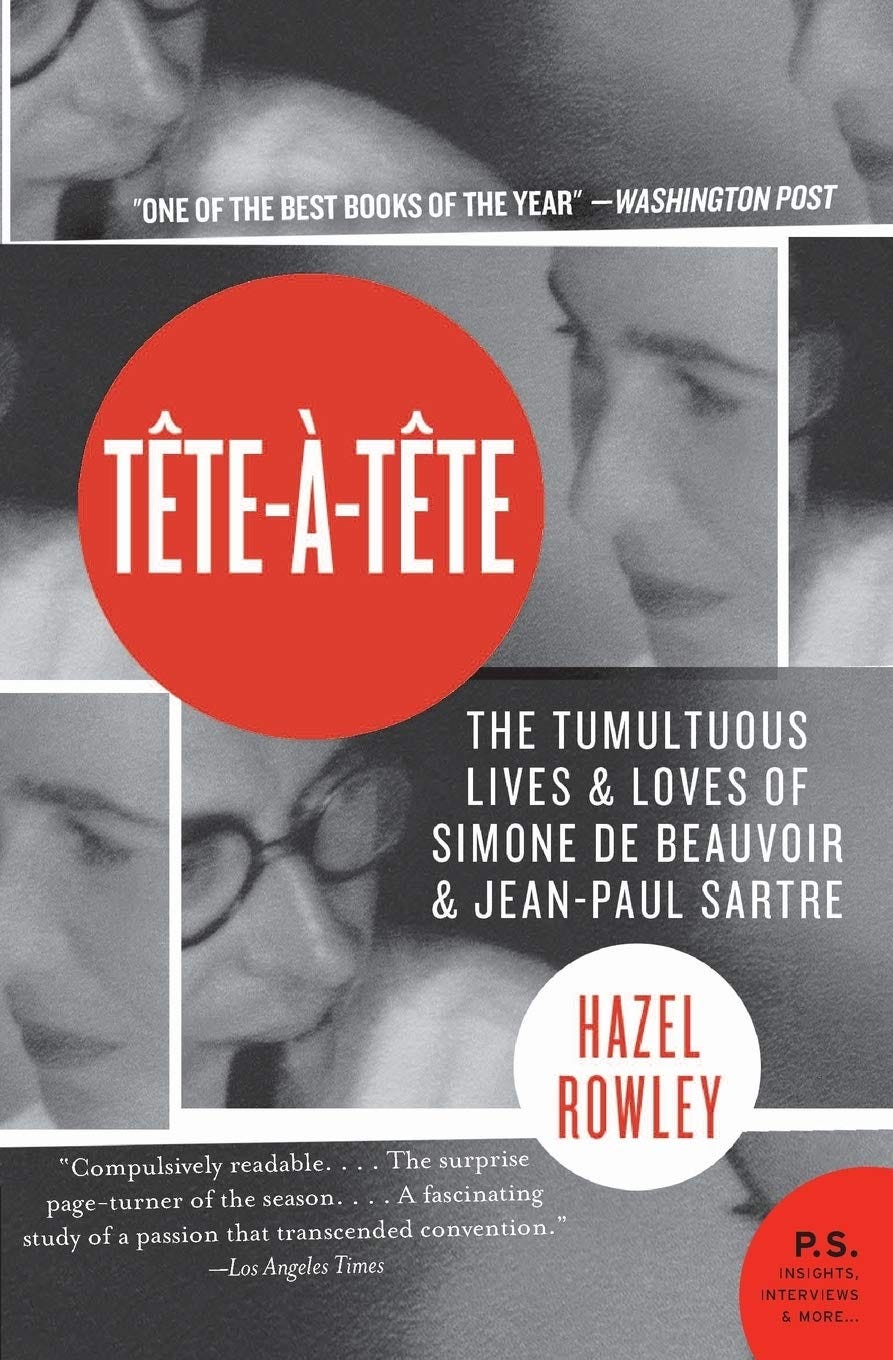
Tete-a-Tete: The Tumultuous Lives and Loves of Simone de Beauvoir and Jean-Paul Sartre
Hazel Rowley
I’ve been trying to dig deeper into philosophy, but because of my weird brain, I can’t wrap my head around a lot of it. This book, however, gave me something quite interesting: a measured and sometimes lovely look at a love affair that built the foundations of modern philosophy. The benefit of this book is that it makes the esoteric creators of Existentialism and Feminism into real people.
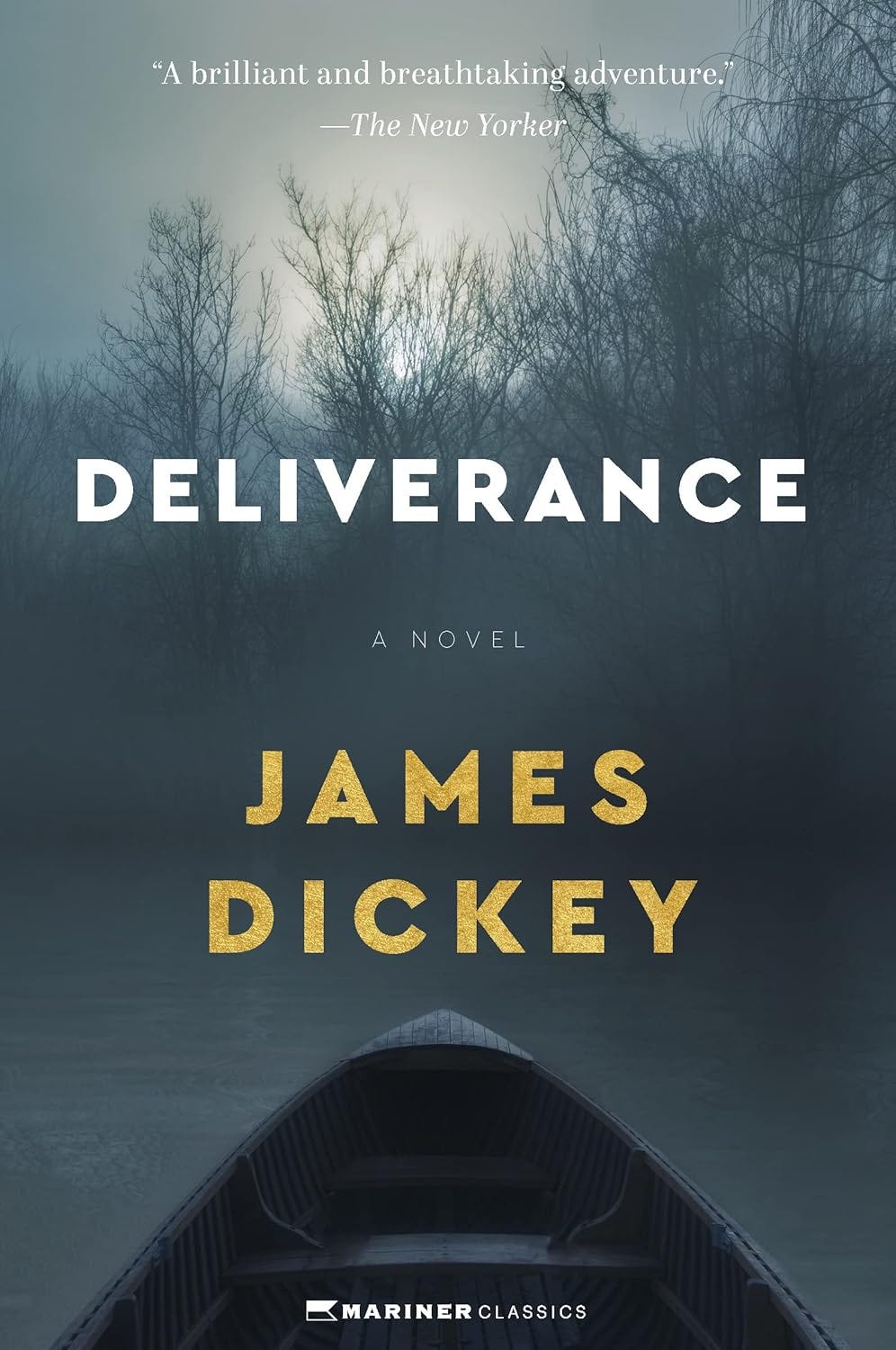
Deliverance: A Novel
James Dickey
The book was unexpected. I hadn’t read it in decades and wanted to see what I remembered. In fact, I remembered none of it. Dickey’s language and pacing are reminiscent of Raymond Carver, and the novel, which ranges from mundane suburbia to gothic horror, is far denser than the movie that we all remember in that it gives you a psychological trip into the minds of the suburban male pitted against the wild. Like the original Bourne books, this book is far more about psychology than action. Still a great read, though.